The Waving Porcupine and The Peculiarity of My Idiosyncrasies
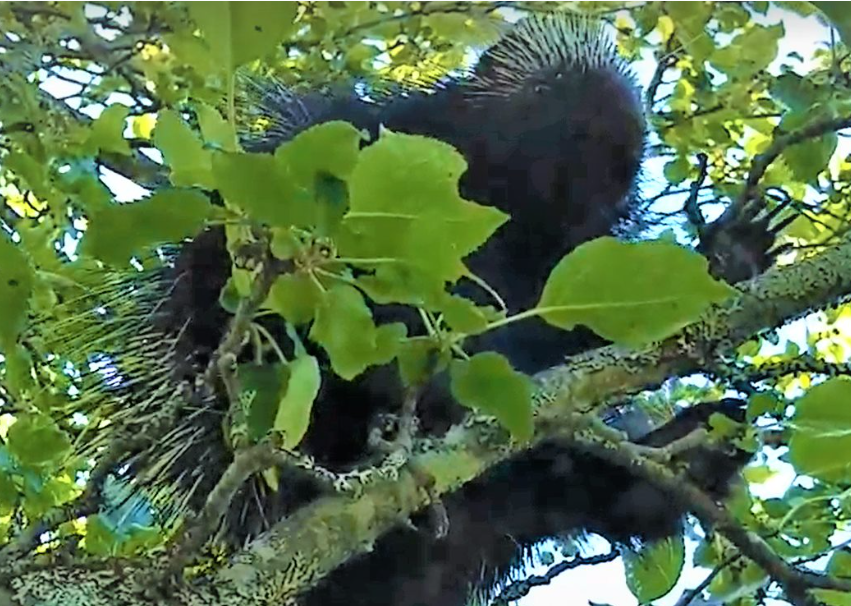
A couple of years ago I met this fellow.  

I was talking to my loyal friends, Thiebault and Milly, about the incongruences of life, imagining what other stories I could write for my grandchildren about life in Maine with Aesopian morals to the stories.  A peculiarity of my idiosyncrasies, so to speak.

When I first moved to Maine full time, I had an indescribable urge to write stories for my grandkids -a welcome change from writing government contracts and reports-, describing life by a pond full of frogs and visiting herons, feisty spring lambs, buzzing bees, running bears, suicidal deer, wailing coyotes, hungry goldfish, swooping eagles, and yes, the ubiquitous and shy porcupines that the dogs and I followed too closely. Milly and Thiebault got quite a few quills on their snouts.  I got around 3 on my middle finger.  I later learnt that key to removing the quills was to cut them first so that they would go limp and could easily slide off.  But, oh well.  Suffice it to say I didn’t suffer as much as the dogs!

Sometimes, though, life gets in the way, and I just wrote drafts and more drafts, but failed to produce the finished product.  Nonna of Penobscot, as my grandchildren know me in stories (if they ever read them!), putt-putt-puttered to a halt.  Not because of writer’s block, mind you. 

It took me a while to realize that my problem wasn’t anthropomorphizing, but the reverse: I was projecting adult human traits and behaviors onto my animal characters, which restricted their growth by tainting their noble qualities with the often uglier and truculent aspects of adulthood.  I was dehumanizing them because I was having a hard time finding redeeming qualities among my fellow earthlings!

On Mother’s Day, I stumbled upon this grainy photo that I took a lifetime ago.  Have you ever seen a porcupine wave?  I remember how mesmerized I was by its intense stare and the slow raising of its paw.  And oh, those fingers!  After a wonderful chat with my children, I went back to my darling porcupine.

Before I knew it, I shed the veil or scales clouding my brain.  I already have the draft of the next Nonna of Penobscot fable.  Will it come to fruition?  Who knows.  But I am embracing the peculiarity of my idiosyncrasies:  why not tackle playful or absurd imagery like a spiky creature in a tree delivering a sassy farewell—while delving into serious themes of suffering, yearning, pride, deceit, betrayal, greed, cruelty and redemption. 

Might there be a knack for blending whimsy with a sharp disdain for disloyalty, like imagining a porcupine waving goodbye to backstabbers from a tree. All of a sudden I found myself once again gravitating towards my own concoctions, which may be my own special way of processing emotional boundaries through quirky, symbolic scenarios. If I can quote myself, “I’ll laugh at the absurdity of life, but I’m dead serious about cutting out the deadbeats and the riffraff of life!”

So, I have been jotting things down left and right.  Now, will I finally finish my stories?  Who knows.  But I feel happy!  And all because of a little porcupine that waved my stumbling conundrum away.

Crossing The Line

This past week I was greeted by a line.  A vivid pink line.  I marveled at it, thinking it reminded me of something, although “the what” escaped me.  And yet, I kept observing, because I kept thinking of “crossing a line”.  We cross so many lines in our lives, and seldom do we contemplate why.  At least that’s me.

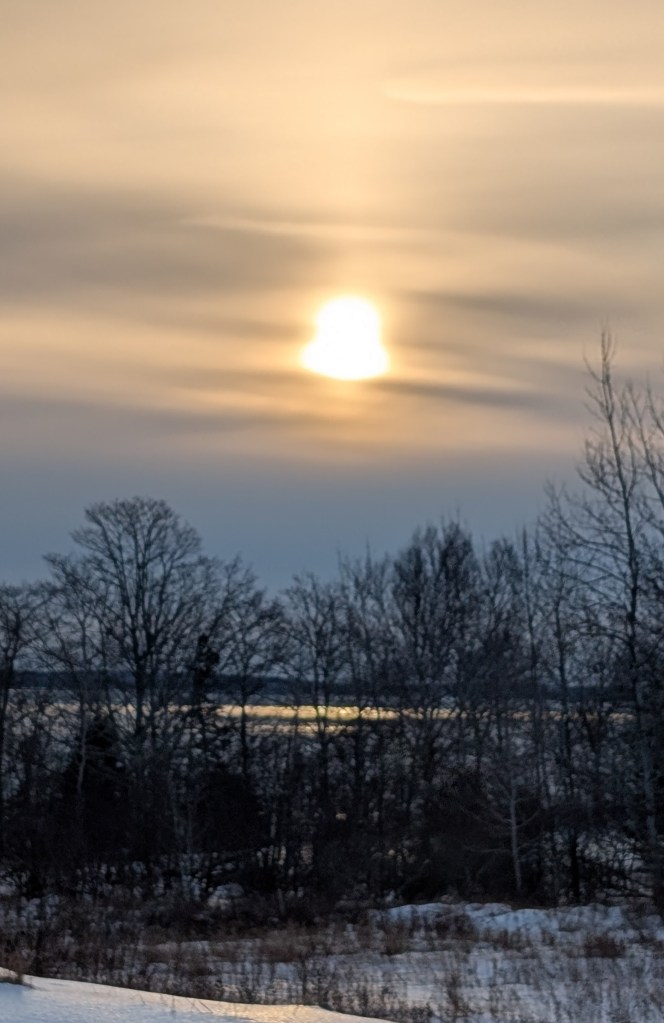
I turned away for a few minutes, and when I returned to keep observing, I was greeted with a different image altogether.  Gone was the line and the pink.  Instead, there was a silvery sun with its silvery reflection.  It is times like these that I wish I were an artist, and could capture the beauty of a sunrise like this one.

Sea, sun, sky and a straight line.  Crossing a line.  I always think about my family and friends and acquaintances who are no longer here.  Someone once said to me that I was “tetric” (meaning gloomy).  Well, it is a common word in Spanish, and we used to use it in school in English, when I was growing up.  It turns out that apparently, according to the Oxford English Dictionary, it is an obsolete word that has been out of common usage since 1810 or so.  Go figure!  I still use it, so, baloney.  

And then it hit me, my tetrical self.  The crossing of that line:  a meditation on death!  A boat, the sea, the light, the tides, the sand.  And yes, the crossing of the bar.

CROSSING THE BAR
By Alfred, Lord Tennyson

Sunset and evening star,
      And one clear call for me!
And may there be no moaning of the bar,
      When I put out to sea,

   But such a tide as moving seems asleep,
      Too full for sound and foam,
When that which drew from out the boundless deep
      Turns again home.

   Twilight and evening bell,
      And after that the dark!
And may there be no sadness of farewell,
      When I embark;

   For tho' from out our bourne of Time and Place
      The flood may bear me far,
I hope to see my Pilot face to face
      When I have crost the bar.

A Renascence

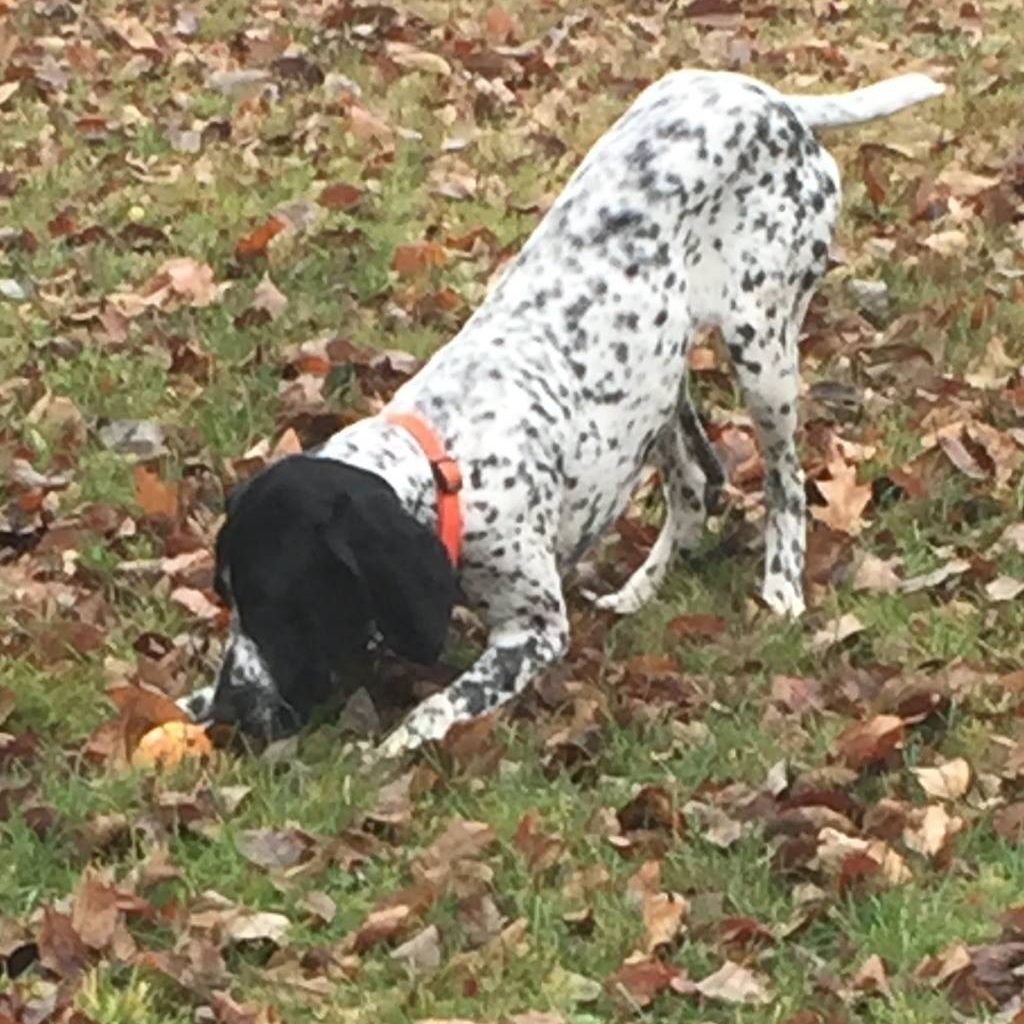
Millie having fun with the apples

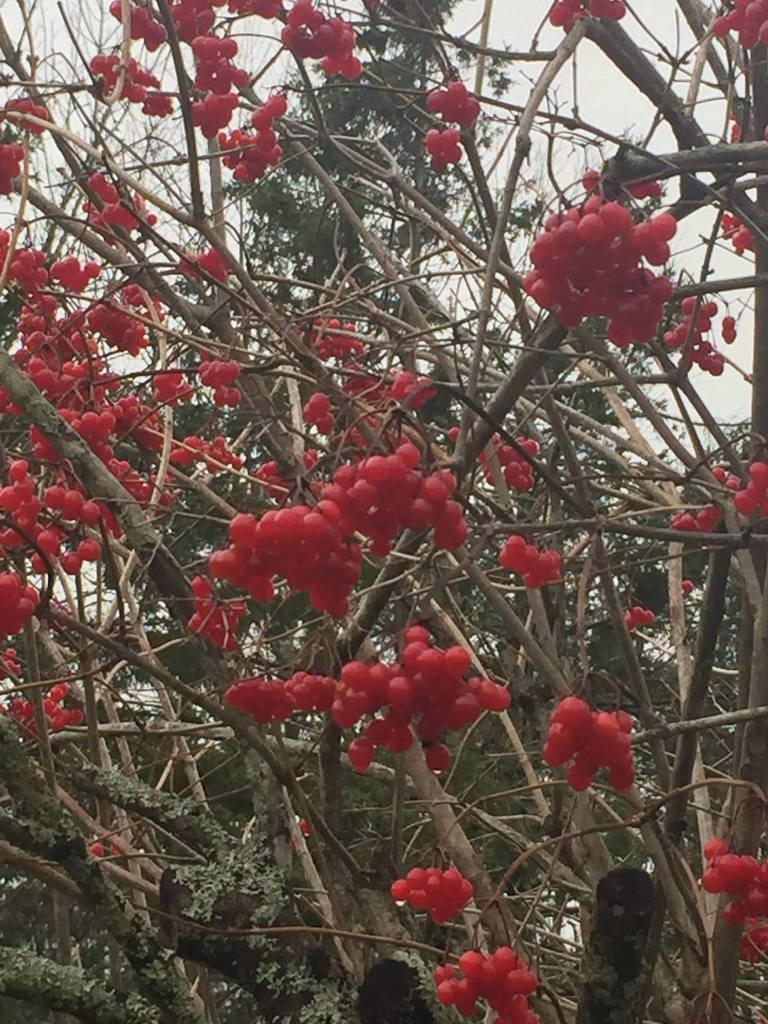
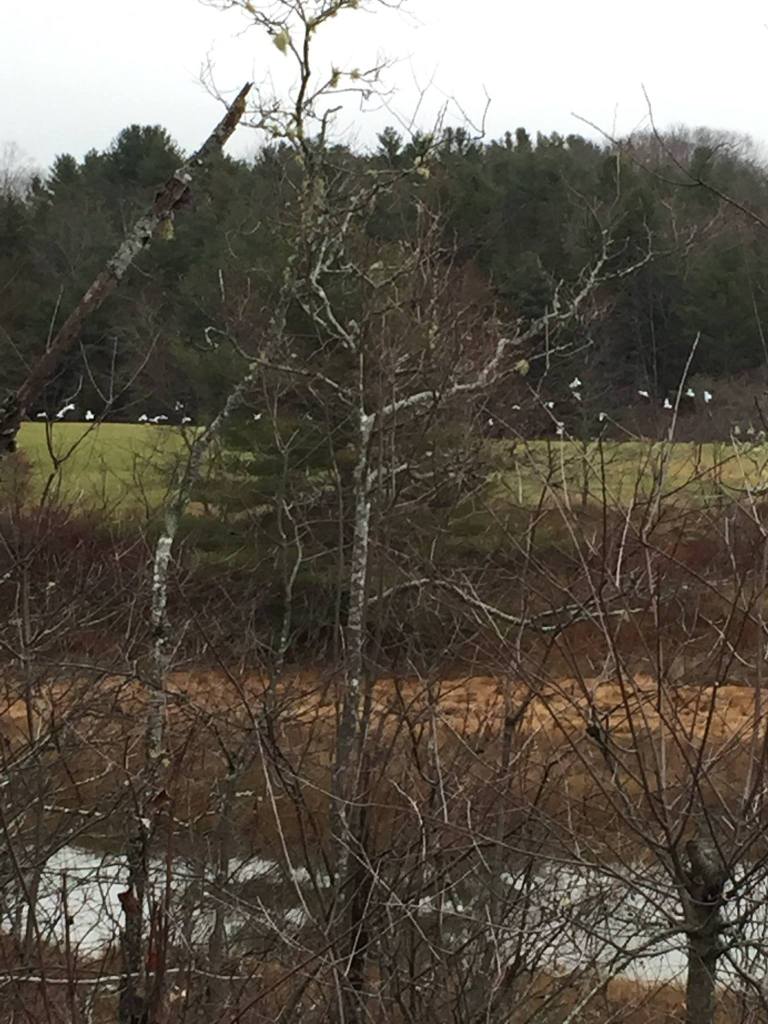
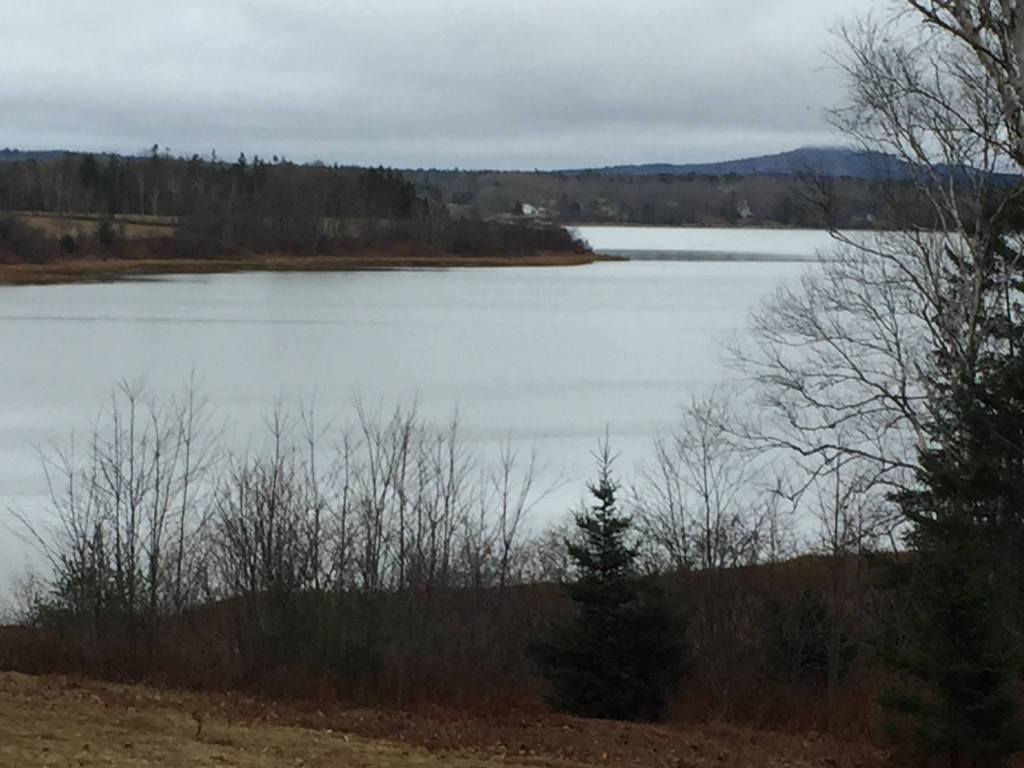
A lifetime ago, November 30, 2016, it was a bit gloomy in Maine. A few berries still sparkled, Millie was a pup having fun with the apples, and a bunch of snow geese were flocking around a little inlet. Millie is older, and other than the pine tree by the water that has grown taller and taller, not much has changed.

I watched a movie the other night about an old man and his daughter, and someone in it quoted this little poem by Edna St. Vincent Millay, which came back to mind as I saw the geese, Millie, and the dormition of the landscape, which lacked a lovely light:

My candle burns at both ends;

It will not last the night;

But ah, my foes, and oh, my friends

—It gives a lovely light!

I realized I had never studied Millay’s poems, and curiosity made me search. I came across one in particular that struck me as providential, and made me think of the magnificence of the rebirth of Notre-Dame de Paris by mere mortals.

Because while it had burnt like a candle, at both ends, I thought how sad it was to see it turn to rubble, or a lonely grave. But just a few years later we are witnessing its majestic “renascence”, a fitting word that the poet reflected on.

All my musings in an hour, all because of a few melancholy and unartistic photos. Go figure. And all because of a little poem!

Flock of snow geese
Growing little pine tree

Three Avian Musings from Days at The Beach

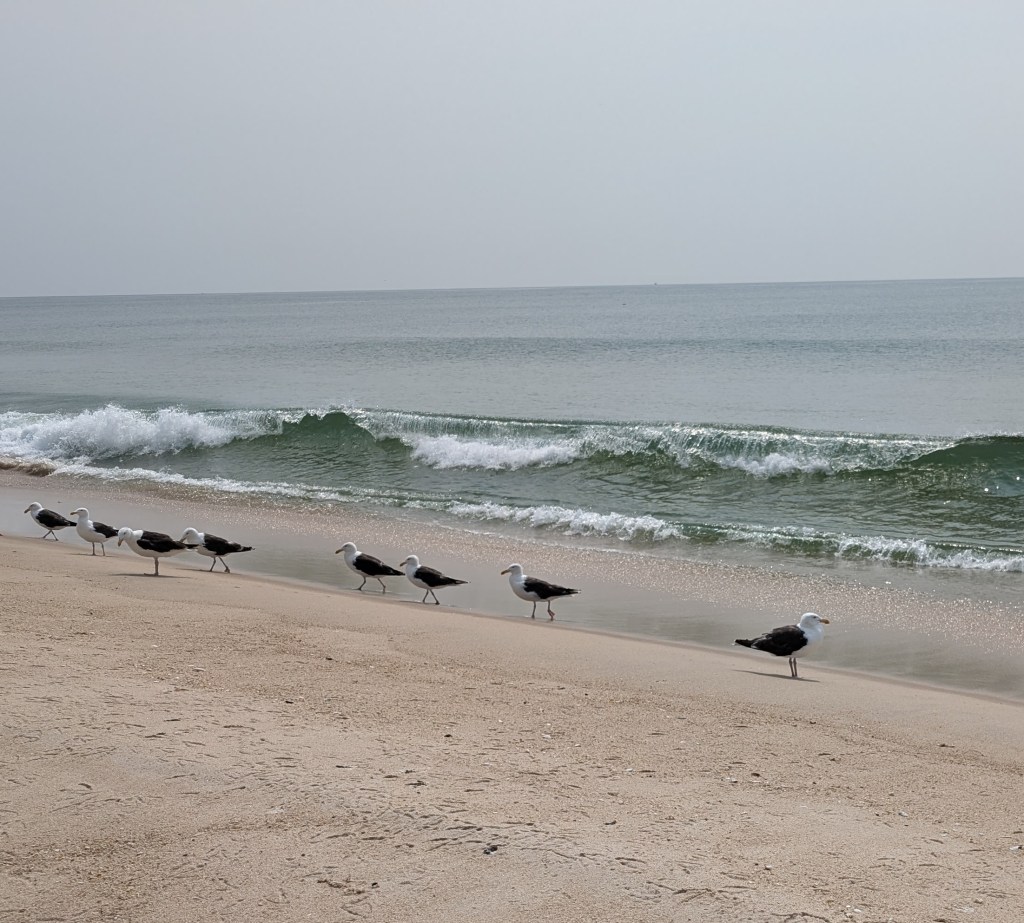
One day this summer marked a special series of milestones of mythological proportions in my life: for the first time ever, like this vigilant seagull, I was perched completely on my own, staring at a monumental decision that only affects me…no parents, no spouse, no siblings, no children, no grandchildren, no in-laws, no neighbors, no friends, no teachers, no professors, no dogs, no horses, no lambs, no governments, no embassies, no colleagues, no employers, no contractors, no priests nor priestesses, no nothing!

One of my brothers said, “Wow, go get a gerbil!”

I wonder how many philosophical essays have been written while pondering the uniqueness of making such types of decision? After all, to quote Robert Louis Stevenson,

“Everyone, soon or late, sits down to a banquet of consequences.”

You don’t just reap what you sow. You also sow what you reap.

Spending some time in one of the most beautiful beaches around, I came across a colony of seagulls. They didn’t fly away as I walked by. And they gave me food for thought. As I am delving into the Russian authors, I took this photo and thought of Fyodor Dostoevsky:

“Oh, how hard it is to be the only one who knows the truth!”

The more I walked, the more my lovely colony of seagulls made me reflect. Aesop came to mind.

By the way, I didn’t take the shunning personally!!!!!

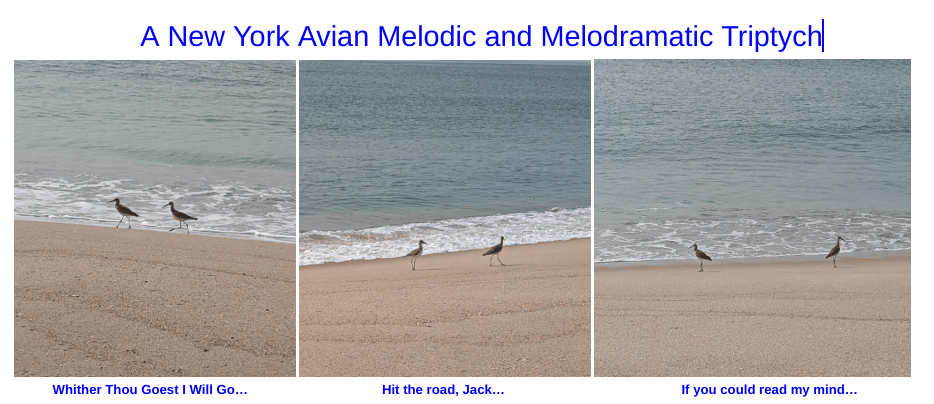
The next day I remembered the New York Avian melodrama above. She flew the coop. Or did she?

The Circles of Life

My convoluted thinking…

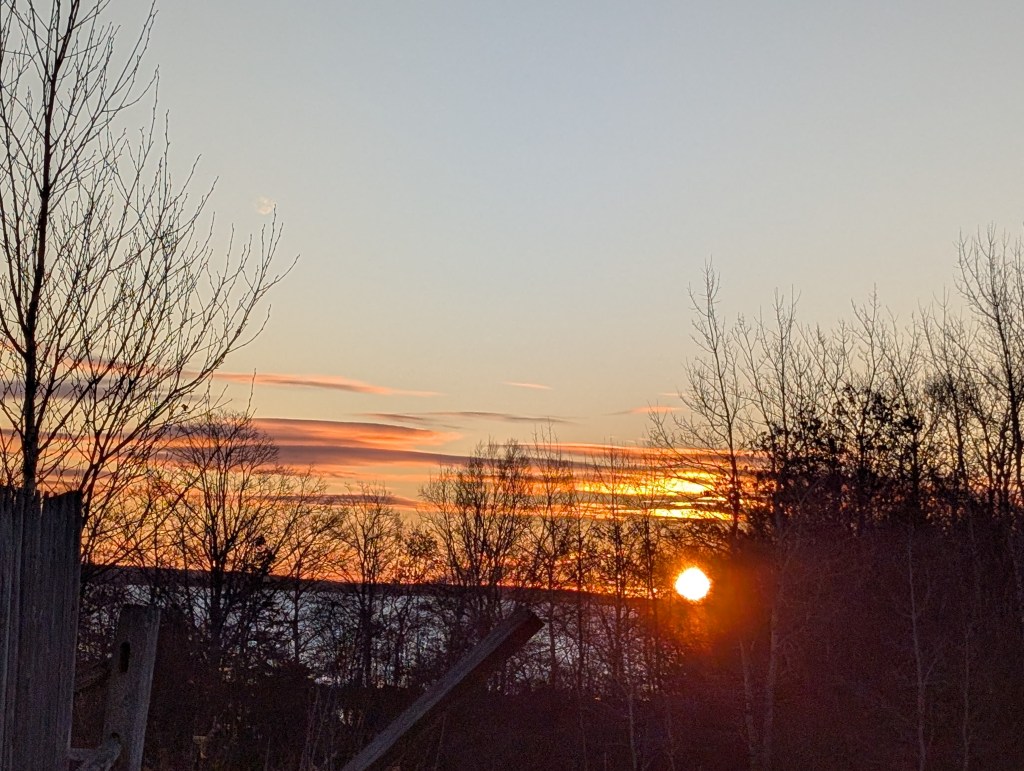
I woke up today to the view of 2 circles: the rising sun and the lingering moon. I thought of that carousel of life, the circle game. So I pondered about a washing machine, that I watched -mesmerized- the other day.

Why? Because it kept spinning right about two circles, but kept twirling left about 3 times, and then turning right again another 2 circles. And on and on for half an hour.

My mind was spinning as well, as I was reading yet about another circle (Solzhenitsyn’s In The First Circle), and reflected about my own life that sometimes has spun forward once or twice, and then backwards three or four times! And on and on.

For some reason, when I went back to read, the pages had flipped back to the beginning, to the Russian author’s note. I was struck with what he said about his novel,

“ In order to give it even a feeble life, to dare show it, and to bring it to a publisher, I myself shortened and distorted it—or, rather, took it apart and put it together anew, and it was in that form that it became known. And even though it is too late now, and the past cannot be undone—here it is, the authentic one. By the by, while restoring the novel, there were parts that I refined: after all, I was forty then, but am fifty now.”

Well, we cannot change our past, but old age gives us a chance to refine it! Of course, with some caveats. I do believe in karma, so you can’t really go quite “tabula rasa”.

That washing machine day happened to be my Father-in-Law’s birthday. He would have been 102 years old. He died at 70, way too young nowadays. So, looking at today’s circles on a beautiful morning, I thought of him, and the other old dead relatives of mine, and how strange the whole cycle of life is. Nasty surprises always await around a corner.

I am reminded of my poor Father who at 77 years of age went to buy his New York Times early one morning, strolling down his favorite sidewalk in his little town, only to be hit by an out of control Mercedes Benz, and ended up seriously injured for almost half a year. His big thick head cracked the windshield, and the totaled car cracked his bones. Yet, he recovered and lasted another 10 years.

One never knows when we will get either clobbered and wiped out, or get the news that our days are numbered.

The other day I took my dogs for a walk, and they instinctively went chasing after a flock of little white birds, and made me fall and dragged me a few inches. I didn’t break anything, but it was quite a wake up call. As my younger brothers jokingly said, “well, this is how it all starts, right? A broken bone that doesn’t heal and then POOF, that’s it!”. Never fails to have younger brothers with a macabre sense of humor.

I have always been attuned to serendipity, and lo and behold, I am reading various articles this morning, after my encounter with the circles, and came across a Psalm I had never read, and one section stood out:

“Seventy is the sum of our years,

or eighty if we are strong,

and most of them are fruitless toil,

for they pass quickly and we drift away” (Ps 90:10)

Old age, the carousel of life, the circle game, the fruitless toils, the alpha and the omega, birth and death, the seasons in between, the sun and the moon on a glorious Maine Sunday morning. Life is beautiful!

Rambo, Boy Scouts, and Mount Katahdin (or Ktaadn, as Thoreau Spelled It)

I am sorry I never had heard of Lost on a Mountain in Maine when my children were growing up. What a story of perseverance against all odds!

In 1939 a young boy went hiking with his Father and brothers in Ktaadn, Maine’s highest peak. Donn Fendler was his name. Only 12 years old, he lost his way in the wilderness when a fast-moving fog obscured his trail. He traversed about 100 miles in 9 days in 1939.

He wrote a book, which became mandatory reading for 4th graders in Maine. He remembered, from his Boy Scout days, that he needed to follow the stream he had found. Hundreds of people searched for Fendler, including troopers with bloodhounds from his home state of New York.

Recounting his ordeal, Donn Fendler reflected that he survived because of his faith in God and his will to live — along with what he had learnt from the Boy Scouts. His brother later remarked that,

“You know, we’d get together every evening and we’d say prayers and stuff like that. We’re Catholic and the church jumped right in. But for my mother and father it was, it was really tough,”

After his rescue, President Roosevelt presented him with the Army & Navy Legion of Valor’s annual medal for outstanding youth hero of 1939.

He studied Forestry at the University of Maine and served in the Pacific during WWII. He served with the US Navy in the Philippines and China and then. He then served with the U.S. Army for 28 years. He was a Green Beret and served in Vietnam for two tours. He lived to be 90 and died in 2016. Fendler was from “away”, having been born in New York City. He lived in Rye, NY and went to Iona Prep School in New Rochelle, NY.

In one of his interviews he reflected,

“…unbelievable that that many people were looking for me…but I’m in Maine; that’s Maine people”.

Oh, and what does Rambo have to do with this story? Well, Sylvester Stallone produced the movie that will be released November 1. I hope my children and nephews get to see it. I sure will, God willing.

Full Moon over Mount Ktaadn

I’ve never been to Mt. Katahdin, but I have heard stories about the place, seen video taken by my nephew via drone, and watched my nephews traverse what’s called (I think) Knife’s Edge. Even today, the Wabanaki look to Katahdin as a sacred place, where the Spirit roams freely and powerfully. Because I was privy to some nightmare stories of scoundrels soiling the beauty of the place and violating the mountain’s sanctity, I sometimes have thought of Edgar Allan Poe and Alfred Hitchcock and what a tale the two combined could tell. Horror and torture.

But, when I saw this picture recently, I went back to Thoreau. He wrote about Ktaadn (as he called it) in a beautiful book called The Maine Woods.

I hope one day to go explore Ktaadn with someone who is a curious and kind soul, with a lyrical appreciation of majestic beauty and sensitive enough to have read the author and absorb the spell of what Thoreau and others tried to convey. And treat the place with the respect it deserves.

Thoreau climbed Ktaadn, but never made it to the summit. However, he did actually go fishing and caught his own trout!

From The Maine Woods:

“In the night I dreamed of trout-fishing; and, when at length I awoke, it seemed a fable that this painted fish swam there so near my couch, and rose to our hooks the last evening, and I doubted if I had not dreamed it all. So I arose before dawn to test its truth, while my companions were still sleeping. There stood Ktaadn with distinct and cloudless outline in the moonlight; and the rippling of the rapids was the only sound to break the stillness. Standing on the shore, I once more cast my line into the stream, and found the dream to be real and the fable true. The speckled trout and silvery roach, like flying-fish, sped swiftly through the moonlight air, describing bright arcs on the dark side of Ktaadn, until moonlight, now fading into daylight, brought satiety to my mind, and the minds of my companions, who had joined me.”

Maine and The Lyrical Toad

No photo description available.

I love my little pond. It was the source of incredible joy for both my Mother in Law and my Father, in their eighties. So, every time I walk around it I feel their presence. It attracts strange characters, between herons, ospreys, kingfishers, snakes, and gazillion frogs.

Sometimes, walking around at night can be beautiful. However, I worry about the coyotes and bears that are too real around here. The Pepe Le Pews I can handle. Skiddle doo. And the porcupines: am ashamed to say I only learnt recently that they don’t hurl the quills; that’s cartoon nonsense. HAH! I believed the cartoons, and am a bit deflated knowing that it was nonsense.

Yet, the big bucks have butted heads with our benches, hurling them into the pond… not once, nor twice… (by the way, all old saltwater little farms in this area must have a pond, because there are no fire hydrants around!).

My Father would stare at the great blue heron and ask me for the umpteenth time: “Barbara, what is heron in Spanish?” “Garza,” I would reply. “Oh, my, watch that garza, how stealthily it walks…” And on and on. How I wish he were here today with me asking the same question, over and over again. I never got tired of it. I loved it.

It is this dear little pond with its many bullfrogs and frogs, that finally made me understand a beautiful Argentine folk song, which I have loved since I was a 7 year old. Because, whenever there is a moon, it rises and reflects on this little pond.

Isn’t it weird that a little pond in the far away North of the USA, close to the Canadian border, helped me fully understand the poignancy of a folk song that originated way, way South, in the southern tip of the Americas, close to Antarctica?

I identify with the toad, and now realize that my melancholy about the lyrical toad song was prescient. Life’s trials and tribulations have confirmed to me that the moon can be cold, because it gave its blood to form the stars, and that life can be dismal if we don’t live it with any hope.

The Lyrical Toad
By Los Chalchaleros

Toad of the night, lyrical toad,
Who lives dreaming next to your lagoon,
Tenor of the puddles, grotesque troubadour,
You're bewitched by your love for the moon.

I know of your life devoid of glory;
And know the tragedies of your restless soul
Likewise, that madness of loving the moon
Is the eternal madness of every poet.

Lyrical toad,
Sing your song,
Because life is dismal
If we don't live it with any hope

You know that you're ugly, ugly and misshapen;
That's why by day you hide your ugliness
And by night you sing your melancholy
And your song resounds as a litany.

Your voices ring out in candid obstinacy;
Your verses are in vain for their striking beauty;
Don't you know, perchance, that the moon is cold,
Because it gave its blood to form the stars?

Lyrical toad
Sing your song,
Because life is dismal
If we don't live it with any hope.


Aurora Borealis or The Northern Lights

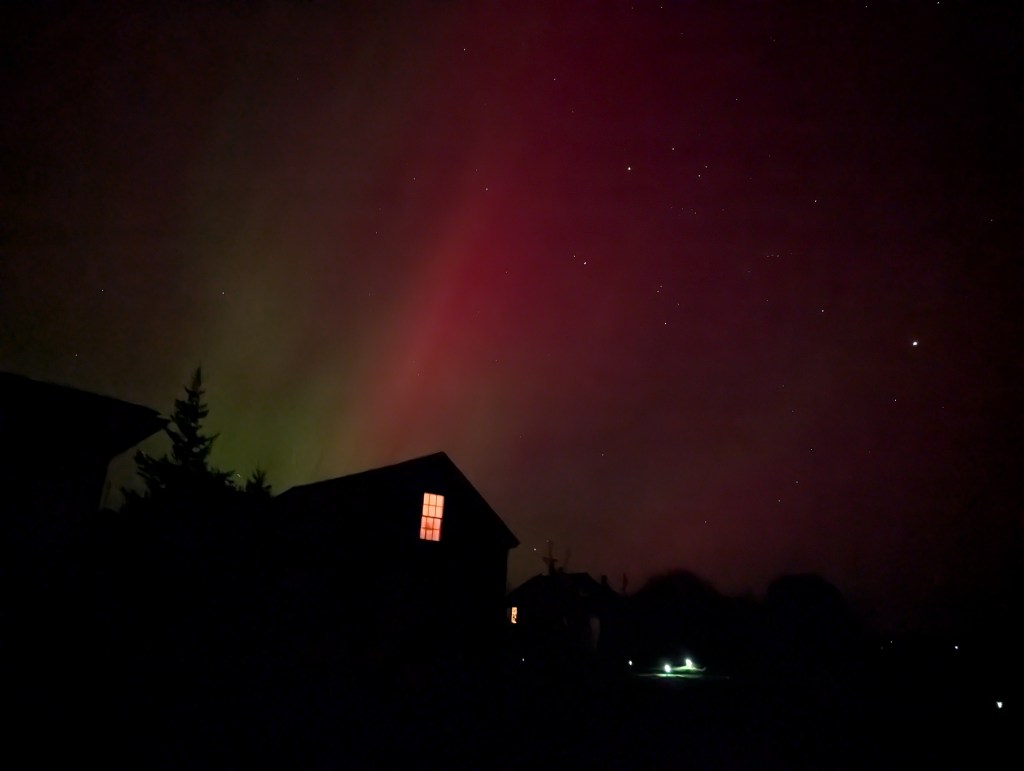
Last night I thought the earth and the heavens were smiling at me, auguring good days ahead. There was a shooting star to boot! I thanked God for all my blessings and for having given me the chance to see such beauty on a chilly night.

I ventured outside to capture the magic, and was jolted 3 times by hissing and jumping creatures (the foxes? last night’s coyotes? do they hiss and make clicking sounds?), but I overcame my fright and stayed out for a bit, relishing in the changing view.

I have yet to explore the state of Maine. I have never been to Mt. Katahdin, nor the Appalachian trail, nor any of the myriad fishing lakes and other scenic places members of my family and others have explored. I will get there, God willing. However, last night, I was thrilled to be in the Blue Hill Peninsula, a slice of heaven on earth.

I thought of my long-gone parents and was reminded of one of my Mother’s favorite little poems, a beautiful rhyme (XVII) written by a famous Spanish Romantic poet, Gustavo Adolfo Bécquer:

Today the earth and the heavens smile at me;
today the sun reaches the depths of my soul;
today I have seen her… I have seen her and she has looked on me…
Today I believe in God!
***
Hoy la tierra y los cielos me sonríen,
hoy llega al fondo de mi alma el sol,
hoy la he visto… La he visto y me ha mirado…
¡Hoy creo en Dios!

The poem has a subliminal message. I finally understand its significance. 

Shedding Mortal Coils

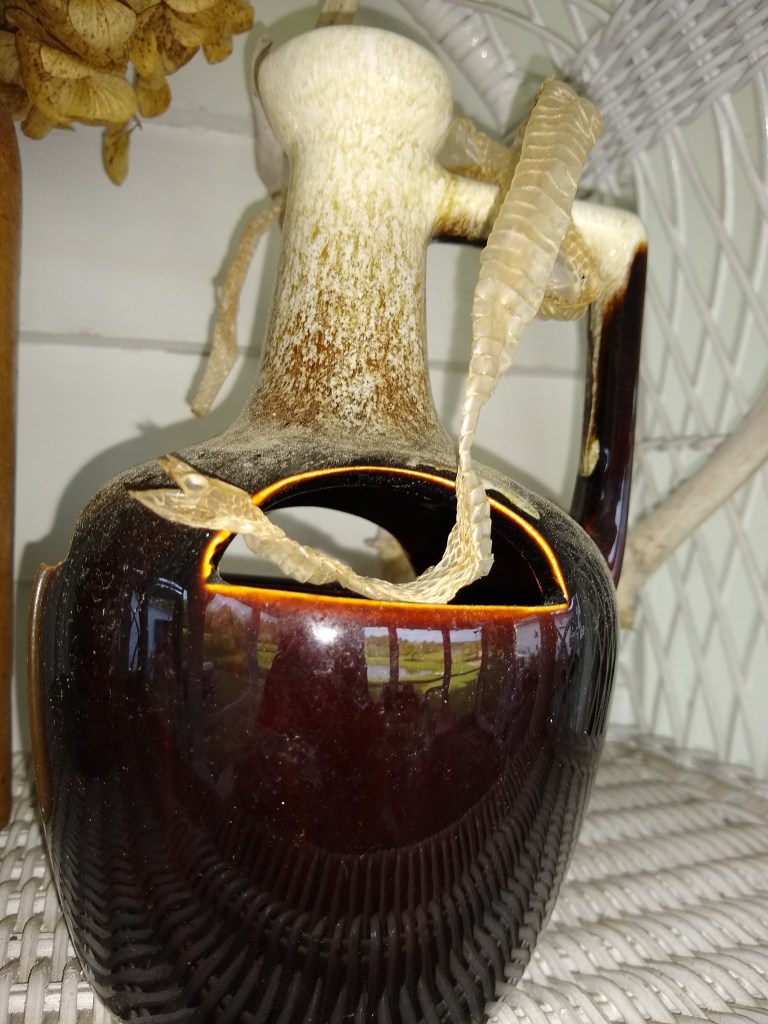
I have a transparent snake’s skin that someone found walking around the fields in Maine. He gave it to me and I saved it, thinking one day my baby grandchildren would find that exoskeleton fascinating. The other day I found a faded photo of the critter. And it made me wonder…

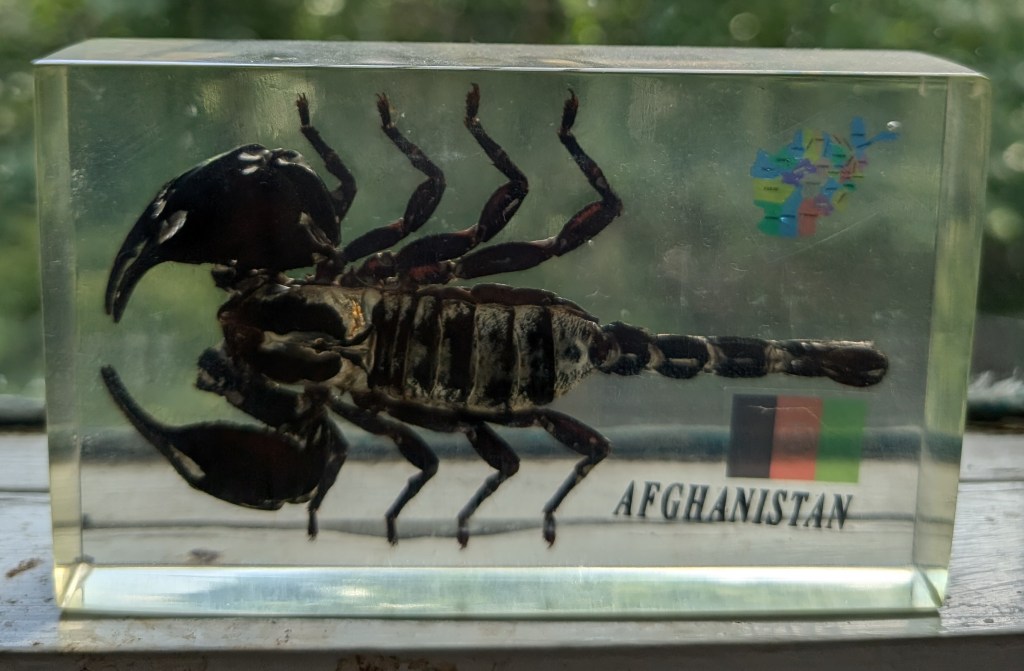
Fast forward to this summer: I discovered an old curiosity I had gifted one of my nephews. I should have kept it for myself, since I am a Scorpio! I remember how thrilled I was to find a creepy crawly immortally entombed in plastic at a tired old “store” at a US Government compound in Kabul. What are aunts for if not to do wacky things for their nephews and nieces?

I also just discovered that scorpions, like snakes, shed their mortal coils, as Hamlet would eloquently state. Sometimes, I wish I could do the same.