The Waving Porcupine and The Peculiarity of My Idiosyncrasies
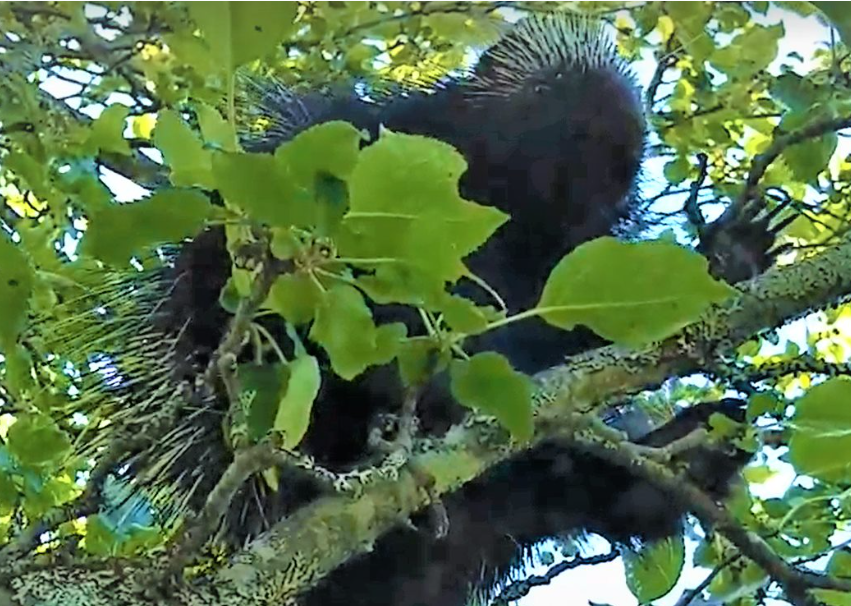
A couple of years ago I met this fellow.  

I was talking to my loyal friends, Thiebault and Milly, about the incongruences of life, imagining what other stories I could write for my grandchildren about life in Maine with Aesopian morals to the stories.  A peculiarity of my idiosyncrasies, so to speak.

When I first moved to Maine full time, I had an indescribable urge to write stories for my grandkids -a welcome change from writing government contracts and reports-, describing life by a pond full of frogs and visiting herons, feisty spring lambs, buzzing bees, running bears, suicidal deer, wailing coyotes, hungry goldfish, swooping eagles, and yes, the ubiquitous and shy porcupines that the dogs and I followed too closely. Milly and Thiebault got quite a few quills on their snouts.  I got around 3 on my middle finger.  I later learnt that key to removing the quills was to cut them first so that they would go limp and could easily slide off.  But, oh well.  Suffice it to say I didn’t suffer as much as the dogs!

Sometimes, though, life gets in the way, and I just wrote drafts and more drafts, but failed to produce the finished product.  Nonna of Penobscot, as my grandchildren know me in stories (if they ever read them!), putt-putt-puttered to a halt.  Not because of writer’s block, mind you. 

It took me a while to realize that my problem wasn’t anthropomorphizing, but the reverse: I was projecting adult human traits and behaviors onto my animal characters, which restricted their growth by tainting their noble qualities with the often uglier and truculent aspects of adulthood.  I was dehumanizing them because I was having a hard time finding redeeming qualities among my fellow earthlings!

On Mother’s Day, I stumbled upon this grainy photo that I took a lifetime ago.  Have you ever seen a porcupine wave?  I remember how mesmerized I was by its intense stare and the slow raising of its paw.  And oh, those fingers!  After a wonderful chat with my children, I went back to my darling porcupine.

Before I knew it, I shed the veil or scales clouding my brain.  I already have the draft of the next Nonna of Penobscot fable.  Will it come to fruition?  Who knows.  But I am embracing the peculiarity of my idiosyncrasies:  why not tackle playful or absurd imagery like a spiky creature in a tree delivering a sassy farewell—while delving into serious themes of suffering, yearning, pride, deceit, betrayal, greed, cruelty and redemption. 

Might there be a knack for blending whimsy with a sharp disdain for disloyalty, like imagining a porcupine waving goodbye to backstabbers from a tree. All of a sudden I found myself once again gravitating towards my own concoctions, which may be my own special way of processing emotional boundaries through quirky, symbolic scenarios. If I can quote myself, “I’ll laugh at the absurdity of life, but I’m dead serious about cutting out the deadbeats and the riffraff of life!”

So, I have been jotting things down left and right.  Now, will I finally finish my stories?  Who knows.  But I feel happy!  And all because of a little porcupine that waved my stumbling conundrum away.
Moonlit Maze of Sorrows

This last Sunday brought back many memories of long lost family members and friends, some exceedingly beautiful, some heart wrenchingly sad.

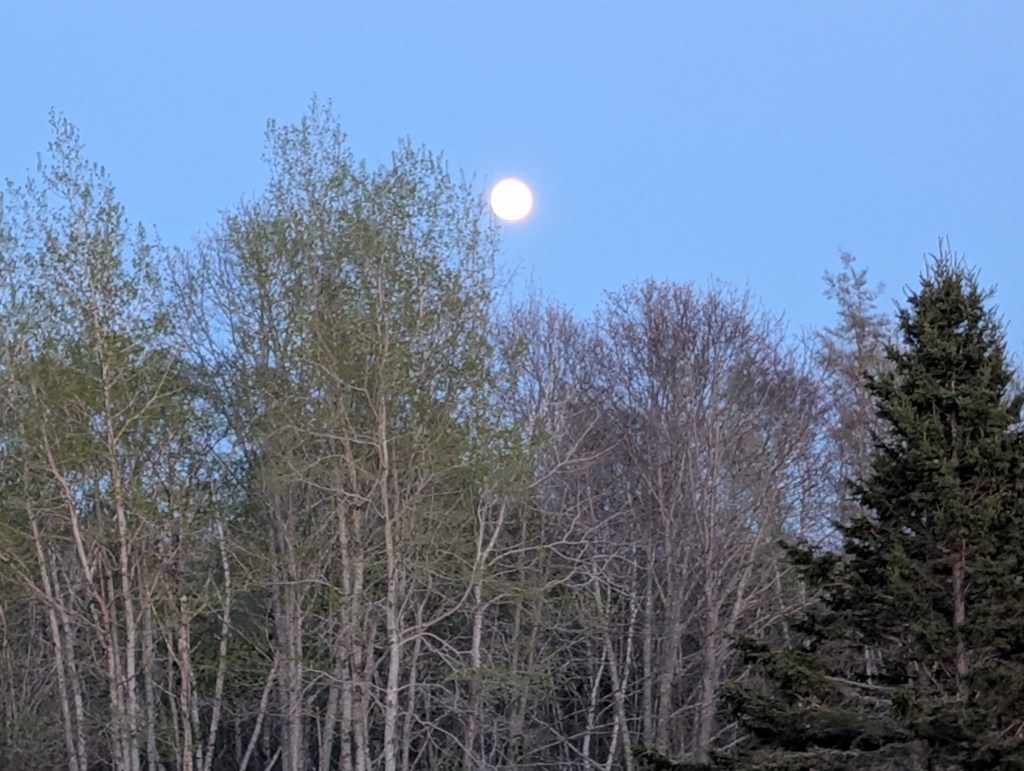
A magnificent Flower Moon rose up from the trees and, beneath its tender glow, I pondered how fragile and fleeting life is —here one breath, gone the next.

Because someone dear to my heart – who a few months ago was a total stranger whom I met through a purely business transaction, but soon reached out to me with a gentle and comforting hand – suffered a life altering traumatic experience that very Sunday: a shattered backbone.

As I looked at that Flower Moon I realized how insignificant our own problems can be. How a freak accident alters the course of our lives and makes us stumble under fate’s cruel weight. Sometimes the pain we survive comes from a broken body. Other times, from a broken soul.

There’s not much I can do, other than provide encouragement and trivial support. I find prayer has always helped me cope, heal and recuperate.

Last year, when I found out someone was facing a major health downturn, I discovered that the patron saint of sick people and doctors and surgeons is St. Luke. Yes, the one who wrote one of the Gospels. I know, I know. Leave it to the Catholic Church to have a patron saint or two for anything that ails us or spooks us. Yeah, yeah, yeah. I get it.

However, I had forgotten that St. Luke had been the “beloved physician”. So he is not just an à-la-carte saint du jour. So, in the spirit of ecumenical brotherhood, since Luke was most likely a Jew and my friend is a Jew, I told my friend I would reach out to the patron saint of surgeons before the delicate operation. What do we have to lose, right? And as my friend said, at this juncture, we take all the help coming from any which way.

As I stared at my Flower Moon I reflected on how fleeting life is and on how we can navigate a moonlit maze of sorrows while dancing the eternal dance between life, love and death.

Crossing The Line

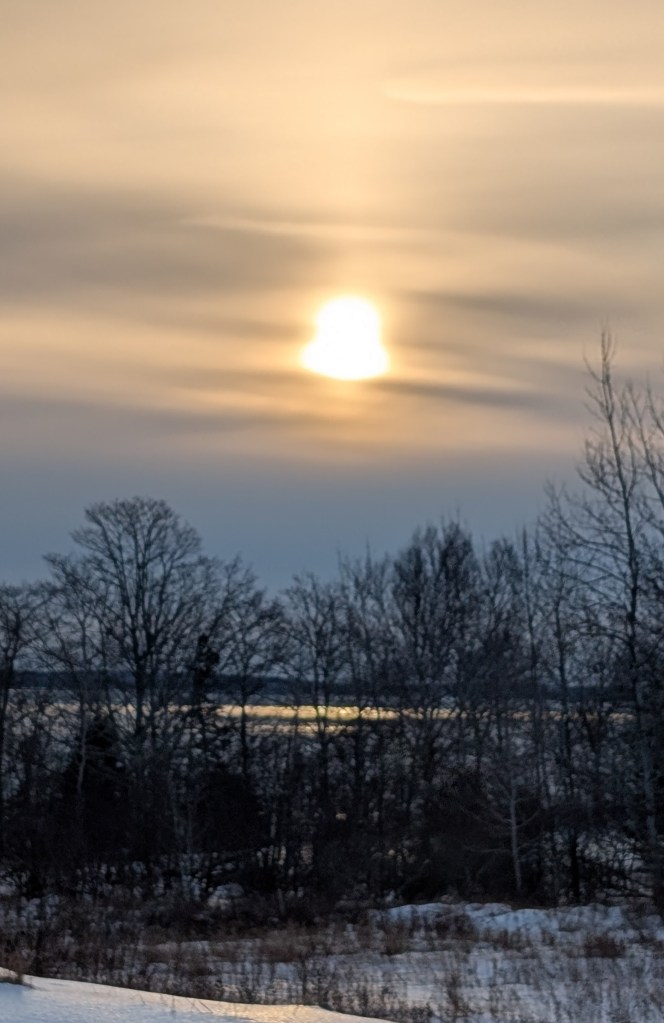
This past week I was greeted by a line.  A vivid pink line.  I marveled at it, thinking it reminded me of something, although “the what” escaped me.  And yet, I kept observing, because I kept thinking of “crossing a line”.  We cross so many lines in our lives, and seldom do we contemplate why.  At least that’s me.

I turned away for a few minutes, and when I returned to keep observing, I was greeted with a different image altogether.  Gone was the line and the pink.  Instead, there was a silvery sun with its silvery reflection.  It is times like these that I wish I were an artist, and could capture the beauty of a sunrise like this one.

Sea, sun, sky and a straight line.  Crossing a line.  I always think about my family and friends and acquaintances who are no longer here.  Someone once said to me that I was “tetric” (meaning gloomy).  Well, it is a common word in Spanish, and we used to use it in school in English, when I was growing up.  It turns out that apparently, according to the Oxford English Dictionary, it is an obsolete word that has been out of common usage since 1810 or so.  Go figure!  I still use it, so, baloney.  

And then it hit me, my tetrical self.  The crossing of that line:  a meditation on death!  A boat, the sea, the light, the tides, the sand.  And yes, the crossing of the bar.

CROSSING THE BAR
By Alfred, Lord Tennyson

Sunset and evening star,
      And one clear call for me!
And may there be no moaning of the bar,
      When I put out to sea,

   But such a tide as moving seems asleep,
      Too full for sound and foam,
When that which drew from out the boundless deep
      Turns again home.

   Twilight and evening bell,
      And after that the dark!
And may there be no sadness of farewell,
      When I embark;

   For tho' from out our bourne of Time and Place
      The flood may bear me far,
I hope to see my Pilot face to face
      When I have crost the bar.

Bees, or The Crux of Our Lives.

A while ago I discovered this artist, Thomas Deininger, who intrigued me. I am highly allergic to bee stings, but I like the little busy insects.

So my museful perambulations made me realize that there is a paradox in their behavior. While bees trust their hives completely, their lives are lonely and selfless, and create a tapestry of collective nurturing out of a solitary endeavor. Somewhere, once, I read about striking the balance between individual sacrifice and communal benefit.

When I was targeted by a single bee that caused me so much pain, I realized, somewhat with glee, that AHAH! the little monster had met its well-deserved demise. I felt the same when I removed gazillion bee stingers from my dogs’ floppy ears and snouts.

But then I wrote a little story on bees for my grandchildren, and came to the realization that those little bees had died away from their hive, leaving those barbed stingers in their victims or perceived enemies, but having their little abdomens torn in the process. From the buzzing life of their hive to the solitude of their lonely death, what an end nature’s harsh cycle bestows.

At the end of the day, isn’t that the crux of our lives?

And then I came across this little bee below. Many times, things are just not what they appear to be… first appearances can be deceiving. (Plato, right?).

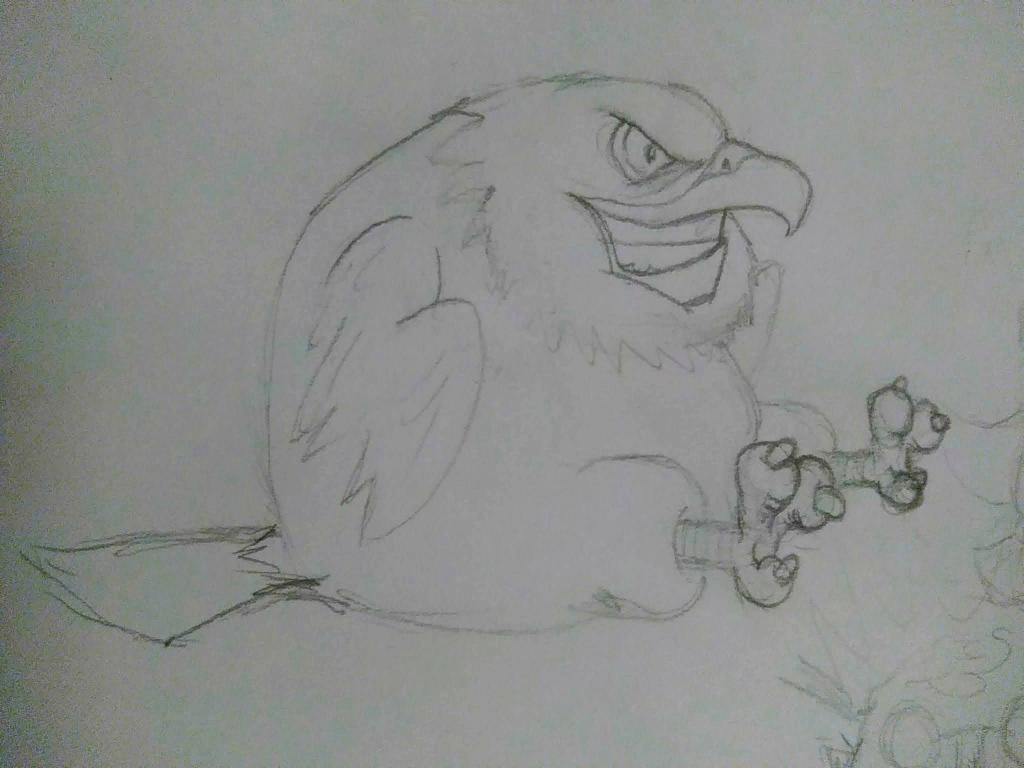
Of Soaring Eagles.

Once upon a time, when I lived near George Washington’s estate in Virginia, I had a very peculiar experience.

An enormous bald eagle (male, I assume, because it was tall as a kitchen counter and wide as a chest of drawers) crash-landed about 9 feet from where I was sitting, on the patio. There was a tremendous sound as he hit some ivy and came to an abrupt halt.

He almost looked embarrassed, trying to straighten some of the feathers on his chest that were a bit ruffled. I was startled. I have never feared birds. But I did this one. I respected the HUGE beak that I figured could really do major harm to my skull and eye socket.

I surmise that it had spotted a rabbit and somehow lost it in the ivy of the hilly terrain. Sometimes, the weak and the naive do outsmart the determined predator. I was so rattled that it never occurred to me to use the phone I was holding to take a picture. Within a few minutes, like a heavy army airplane, he took off.

He was truly majestic, absolutely magnificent and beautiful. I often remember him. I am happy that it is our national bird.

Some time later I found this delightful trailer of The Eagle Huntress of Kazakhstan, which I post below. The documentary soon followed. Enjoy.

A Masterpiece of My Engineering

Trying to light a fire in the fireplace reminded me of the myriad of recommendations from the various males in my family, none of which I -as a female- ever paid any close attention to, until one night when I tried to have a warm and cozy fire, only to have a thick gray haze of cancer-causing smoke invade the house. Why? The chimney flue was closed.

I could hear the various voices of male ghosts reminding me what an idiot I was.

Don’t you check the flue BEFORE starting a fire????“.

Duh. No. Not really. Not instinctually. I didn’t think of it. I had other things on my mind. Well, I didn’t go to Boy Scouts.

You don’t need to have gone to Boy Scouts. You don’t have to be a genius. It’s just plain common sense. Look at what you’ve done. You can’t breathe here.

Well, we learn from our mistakes. The smoke will dissipate. It’s never too late to learn a lesson. Why make such a big deal? Why can’t we laugh about it? Etcetera, etcetera, etcetera.

As I tried to fix the problem, I smashed my middle finger -blood everywhere- and it was still throbbing, 24 hours later. Tetanus? Well, I had had the shot before going to Kabul.

But a Dillon is never dissuaded. With the throbbing finger to remind me of the previous day’s debacle, I took a flashlight and laid down on my back, with my head inside the fireplace -first put in place more that 200 years ago- , to figure out the flue. I worried about birds, bats, racoons, squirrels. None landed on my face.

I am not an engineer as my nephew and brother-in-law, but, as Plato noted, necessity is the mother of invention. I should note that necessity and stubborness are the mothers of challenge and perseverance and, oh boy, it took me a while, but I did figure out that flue despite it’s broken chains and rusted mechanical gizmos.

The end result was a wonderful sense of accomplishent as I stared at the masterpiece of my engineering, and the satisfaction that the only mockery I heard came from the ghosts of my memory.

A Renascence

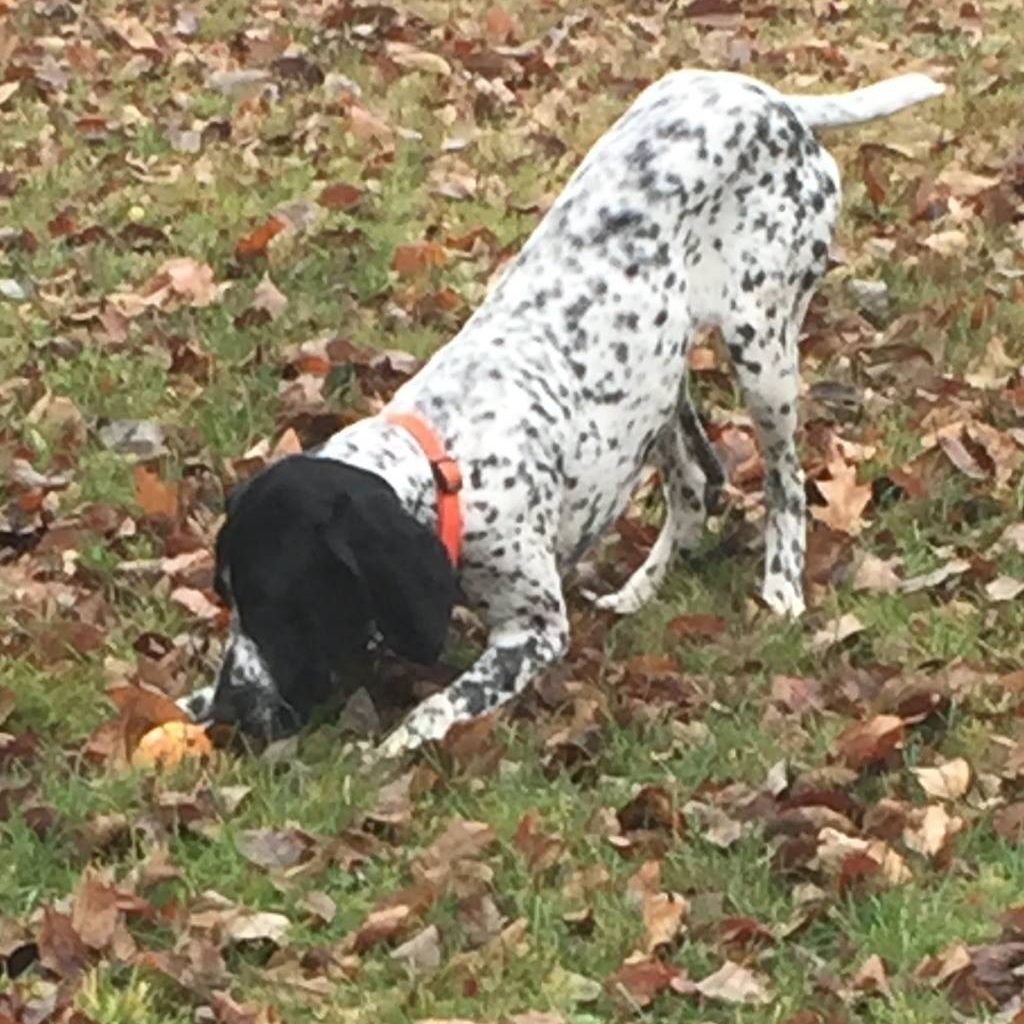
Millie having fun with the apples

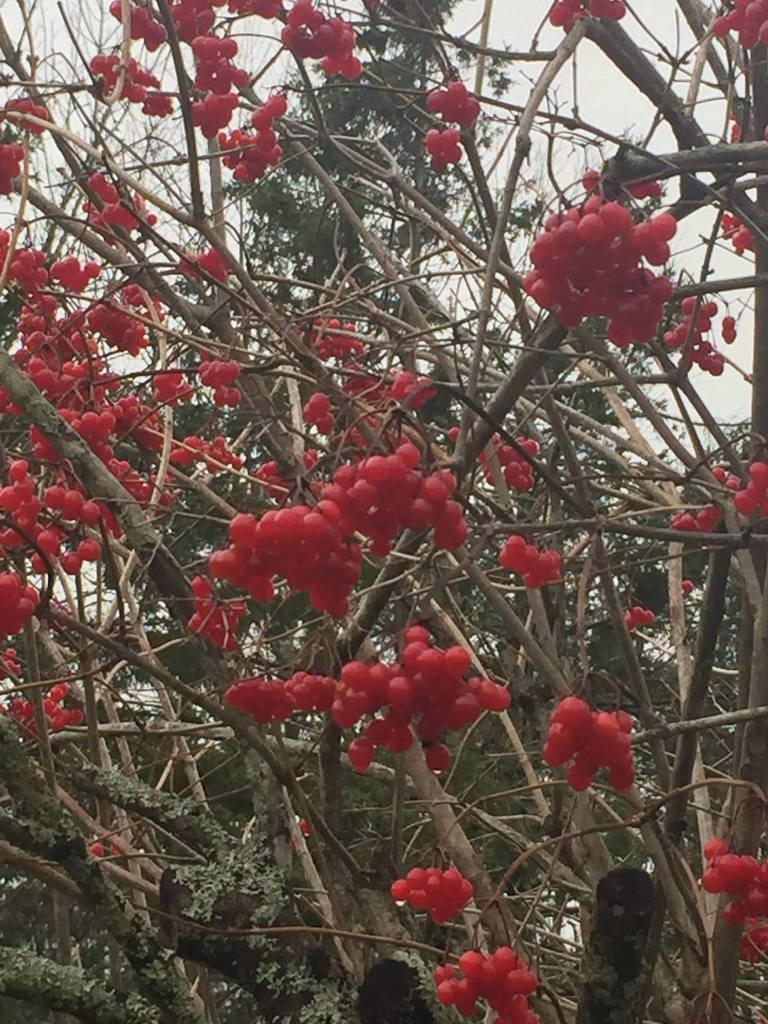
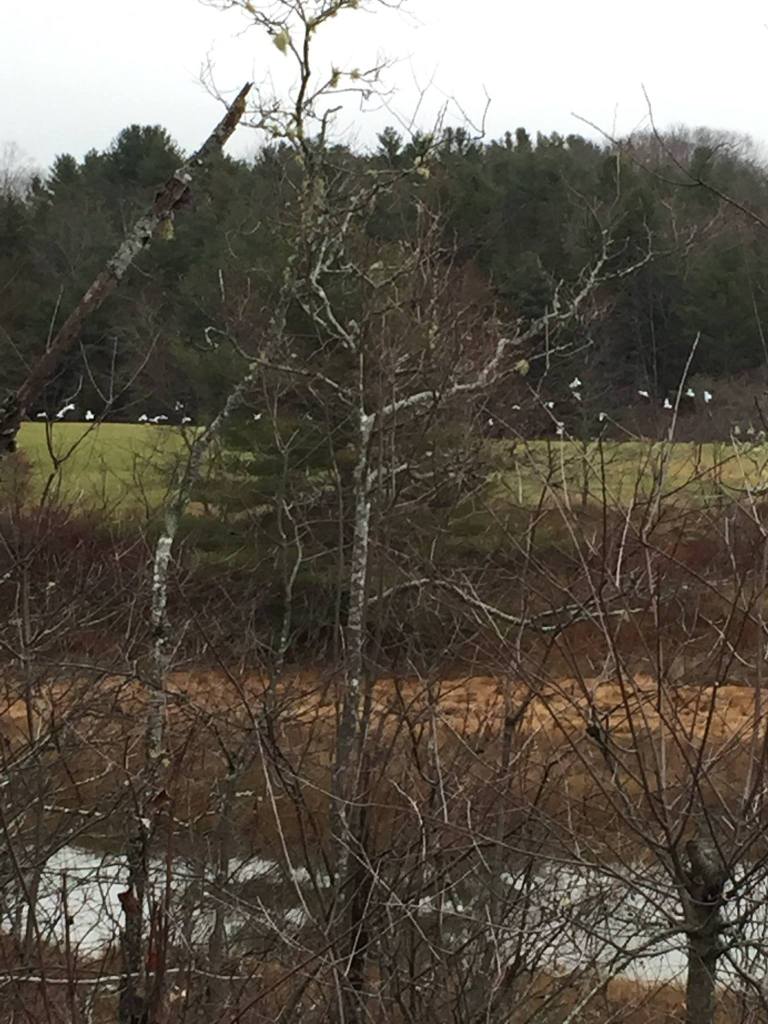
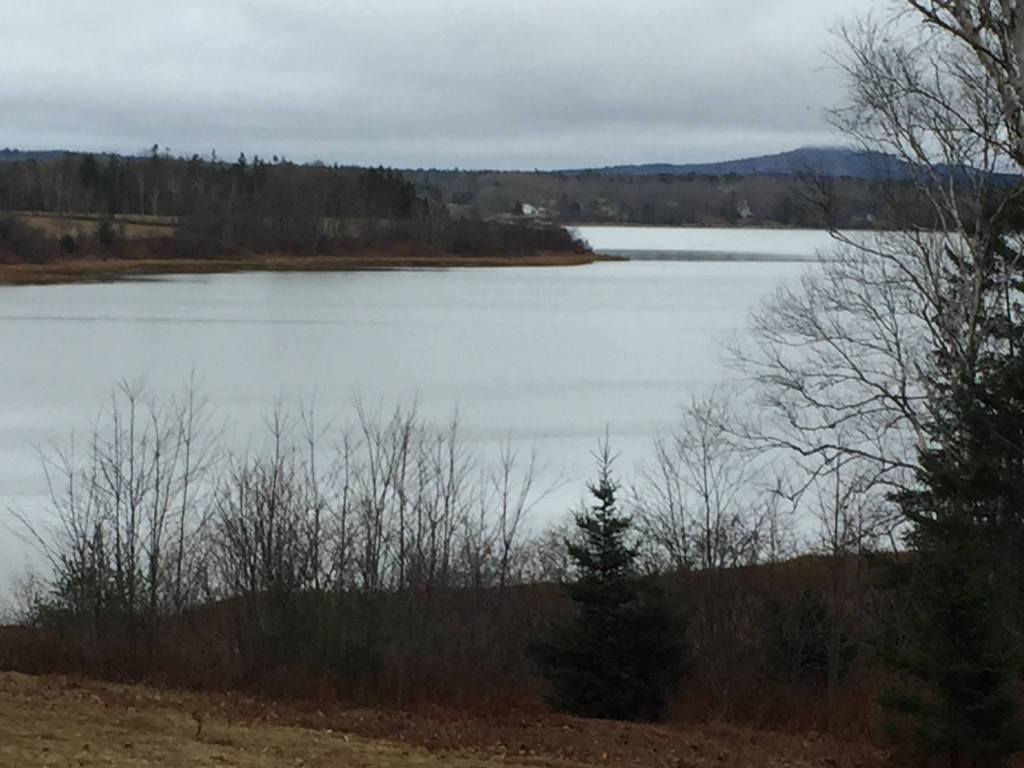
A lifetime ago, November 30, 2016, it was a bit gloomy in Maine. A few berries still sparkled, Millie was a pup having fun with the apples, and a bunch of snow geese were flocking around a little inlet. Millie is older, and other than the pine tree by the water that has grown taller and taller, not much has changed.

I watched a movie the other night about an old man and his daughter, and someone in it quoted this little poem by Edna St. Vincent Millay, which came back to mind as I saw the geese, Millie, and the dormition of the landscape, which lacked a lovely light:

My candle burns at both ends;

It will not last the night;

But ah, my foes, and oh, my friends

—It gives a lovely light!

I realized I had never studied Millay’s poems, and curiosity made me search. I came across one in particular that struck me as providential, and made me think of the magnificence of the rebirth of Notre-Dame de Paris by mere mortals.

Because while it had burnt like a candle, at both ends, I thought how sad it was to see it turn to rubble, or a lonely grave. But just a few years later we are witnessing its majestic “renascence”, a fitting word that the poet reflected on.

All my musings in an hour, all because of a few melancholy and unartistic photos. Go figure. And all because of a little poem!

Flock of snow geese
Growing little pine tree

Etymology or “It’s All Greek To Me”

Ever since I was a little girl I have been enthralled with etymology. Maybe it was studying Latin, which I had to learn in school in Argentina, when I was around 10…for 3 years! I was sick and tired of all the “hic haec hoc” and “amo amas amat” and all the declensions that we had to repeat by rote. It was bad enough to learn Spanish and English verbs. Life seemed complicated then.

All that effort paid off my Senior year of High School in the US. I happened to use the word “triturate” with one of my teachers, and he bet me a steak dinner that it did not exist. I knew I had him. He challenged me in front of many classmates, so I accepted the bet. He went to the dictionary and BINGO I had won. (He never had to deliver on the bet since I ended up leaving the school a few weeks later).

Fast forward to my attempts to communicate in Russian. When I was desperate, I would take a word with a Latin base and give it a Russian accent, and again, BINGO, most times the Russians would understand because there are many Latin-based words adopted into Russian. A few decades later, it was Cyrillic that helped me read menus and train station signs in Greece, so I could maneuver a little and not be a bumbling fool. It came in useful to find the entry and exit signs.

So, recently, I was reading some obscure article, that led me to a fascinating discovery. Well, for me. I know. My mind works in convoluted ways.

It turns out that metabolism, ballistic, emblem, hyperbole, embolism, parable, problem, all these words stem from the Greek word “diaballein”. Same with symbolic -which means to bring together- and diabolic, which comes from “diabolos”, or to tear apart. “Diabolos” is derivative of “diaballein”, which means to throw, scatter, rend asunder, hence the origin of the word “devil”, that derives from “diabolos”.

I am contemplating either getting a Greek/English dictionary just for fun, or spending some time learning Greek. After all, I’m at that stage in my life where they do recommend that you exercise your brain to keep it from atrophying. I certainly can identify with Mr. Portokalos!

Three Avian Musings from Days at The Beach

One day this summer marked a special series of milestones of mythological proportions in my life: for the first time ever, like this vigilant seagull, I was perched completely on my own, staring at a monumental decision that only affects me…no parents, no spouse, no siblings, no children, no grandchildren, no in-laws, no neighbors, no friends, no teachers, no professors, no dogs, no horses, no lambs, no governments, no embassies, no colleagues, no employers, no contractors, no priests nor priestesses, no nothing!

One of my brothers said, “Wow, go get a gerbil!”

I wonder how many philosophical essays have been written while pondering the uniqueness of making such types of decision? After all, to quote Robert Louis Stevenson,

“Everyone, soon or late, sits down to a banquet of consequences.”

You don’t just reap what you sow. You also sow what you reap.

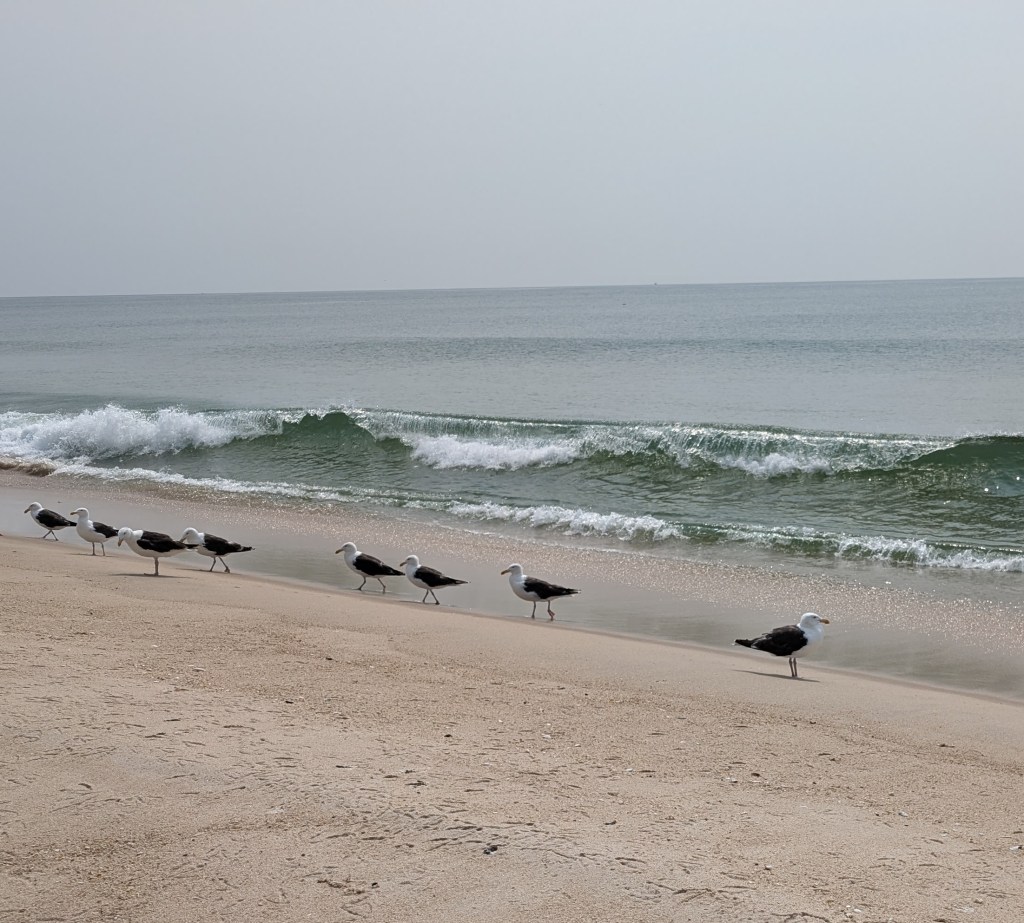
Spending some time in one of the most beautiful beaches around, I came across a colony of seagulls. They didn’t fly away as I walked by. And they gave me food for thought. As I am delving into the Russian authors, I took this photo and thought of Fyodor Dostoevsky:

“Oh, how hard it is to be the only one who knows the truth!”

The more I walked, the more my lovely colony of seagulls made me reflect. Aesop came to mind.

By the way, I didn’t take the shunning personally!!!!!

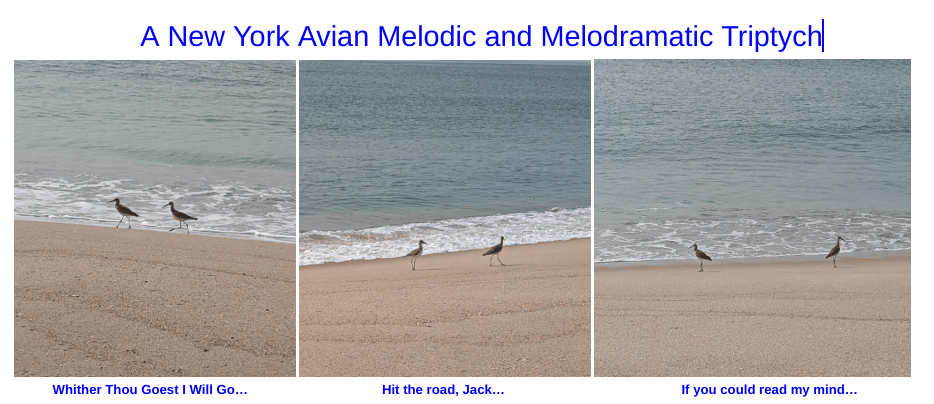
The next day I remembered the New York Avian melodrama above. She flew the coop. Or did she?